
Project
Burbach and its biodiverse neighbourhood
Biological Station
Siegen-Wittgenstein
Project
Burbach and its biodiverse neighbourhood
Biological Station
Siegen-Wittgenstein
Profile
Organisation/Company
Biological Station Siegen-Wittgenstein
Project name
Burbach and its biodiverse neighbourhood
Project period
01.01.2021 – 31.12.2023
Project gallery

About us
The Biological Station Siegen-Wittgenstein, one of 40 similar stations in North Rhine-Westphalia, was founded in 1990 by the “Verein zur Förderung der Zusammenarbeit zwischen Umweltschutz und Landwirtschaft im Kreis Siegen-Wittgenstein e. V.“, a regional association dedicated to promoting environmental protection issues in relation to agriculture. The purpose of the association is to preserve valuable habitats for rare and endangered species of flora and fauna, and to care for the diverse cultural landscape. The remit includes species protection, supervision of contractual conservation agreements and conservation areas, scientific and advisory activities and environment-related public relations and education.
The Biological Station acts as a link between farmers, environmental protection volunteers and the conservation authorities. The sponsoring organisation consists of representatives from various conservation groups, farming associations and the District Administration Siegen-Wittgenstein.
Project description
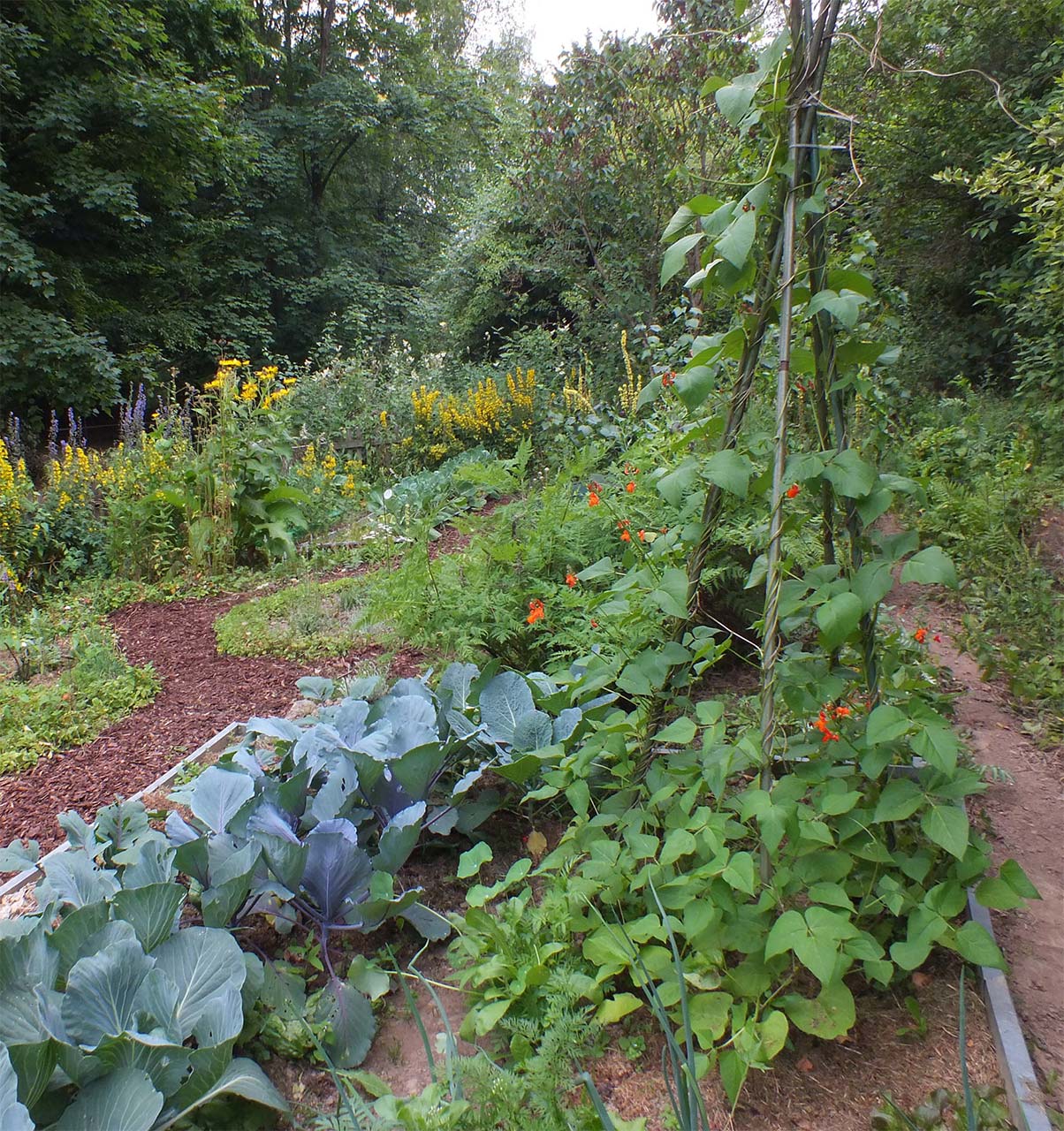
Nowadays, urban biodiversity makes an important contribution to the preservation of global biodiversity. Animal and plant species that require special biotopes, and whose existence is threatened by increasing land use, are of particular significance here. Urban areas provide a wide variety of habitats in a small space and can accommodate numerous species. The purpose of the “Modellprojekt Burbachs artenreiche Nachbarschaft“ is to create a transparent concept for the promotion of urban biodiversity. Educational institutions such as nursery schools, as well as the owners of gardens and industrial green spaces will be involved in the cross-disciplinary approach. One focal point will be the recording of various species groups and the implementation of measures adjusted to suit their requirements. In this way, “Citizen Science” will give ordinary citizens the chance to play an active role. A win-win situation for humans and nature!
Project goals
- Accrual of knowledge about existing species in an urban environment
- Preservation and improvement of the habitat conditions of the respective species
- Promotion of sustainable action and encouragement of personal initiative
- Development of a model as the basis of a transferable strategy
Project progress and project status on 31.03.2024
The three-year project “Burbach and its biodiverse neighbourhood” started on 1. January 2021. The project area covers the municipality of Burbach, which consists of nine villages: Burbach, Gilsbach, Holzhausen, Lippe, Lützeln, Niederdresselndorf, Oberdresselndorf, Wahlbach and Würgendorf. The target groups were children’s daycare facilities, schools, businesses, and householders with gardens and balconies.
To see all projects, implementation cases and tips for realisation of the ideas in your own garden, go to the website: https://www.burbachs-artenreiche-nachbarschaft.de/
The Biological Station has had its own website on the social media channels Instagram and Facebook since the end of 2022. 11 articles about the project have been posted on both platforms as a part of the PR campaign.
48 events took place during the three-year project period. In addition to the events run by the project employees, there were also contributions from external experts and the staff of the Biological Station Siegen-Wittgenstein. Project employees also took part in events organised by external cooperation partners and service providers.
| Events | Quantity |
| Public events | 21 |
| Action with schools | 11 |
| Campaign with daycare centres | 6 |
| Participation in external events | 8 |
| Event for invited participants | 2 |
| In total | 48 |
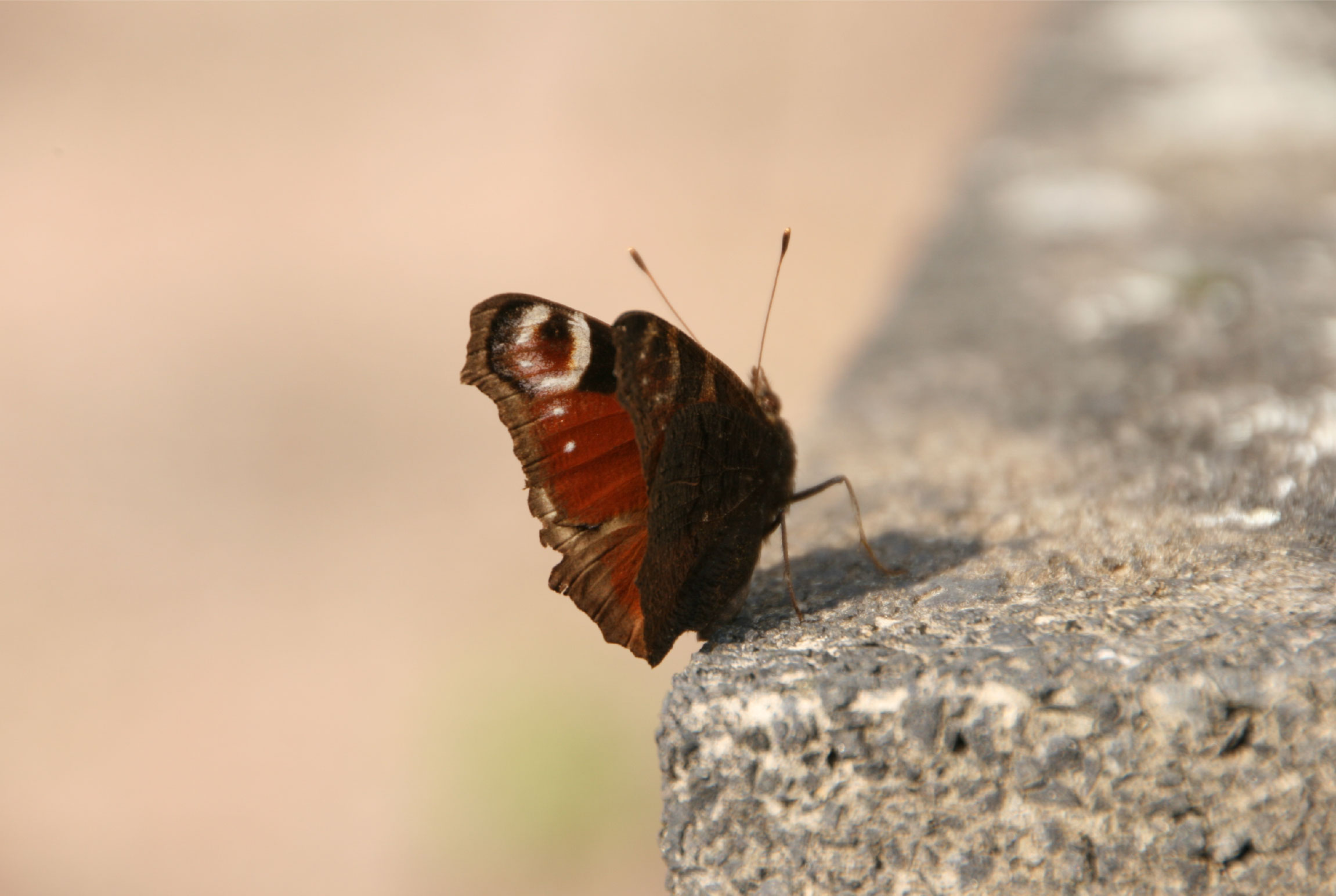
The overriding theme of all the events was “Biodiversity in urban spaces”, which was approached in a number of different ways, with a focus on aspects such as butterflies, building nesting aids and boxes for birds and bats, urban birds, stream life forms, mowing with a scythe and light immissions. In this way, the different target groups learned about the project and the diversity of its topics via excursions, workshops or presentations.
Besides the events mentioned above, the public was invited to take part in a total of eight photo competitions, including a district-wide invitation to submit entries on the subject of “Nature in our town”, with nesting boxes and related literature awarded as prizes
Project participants:
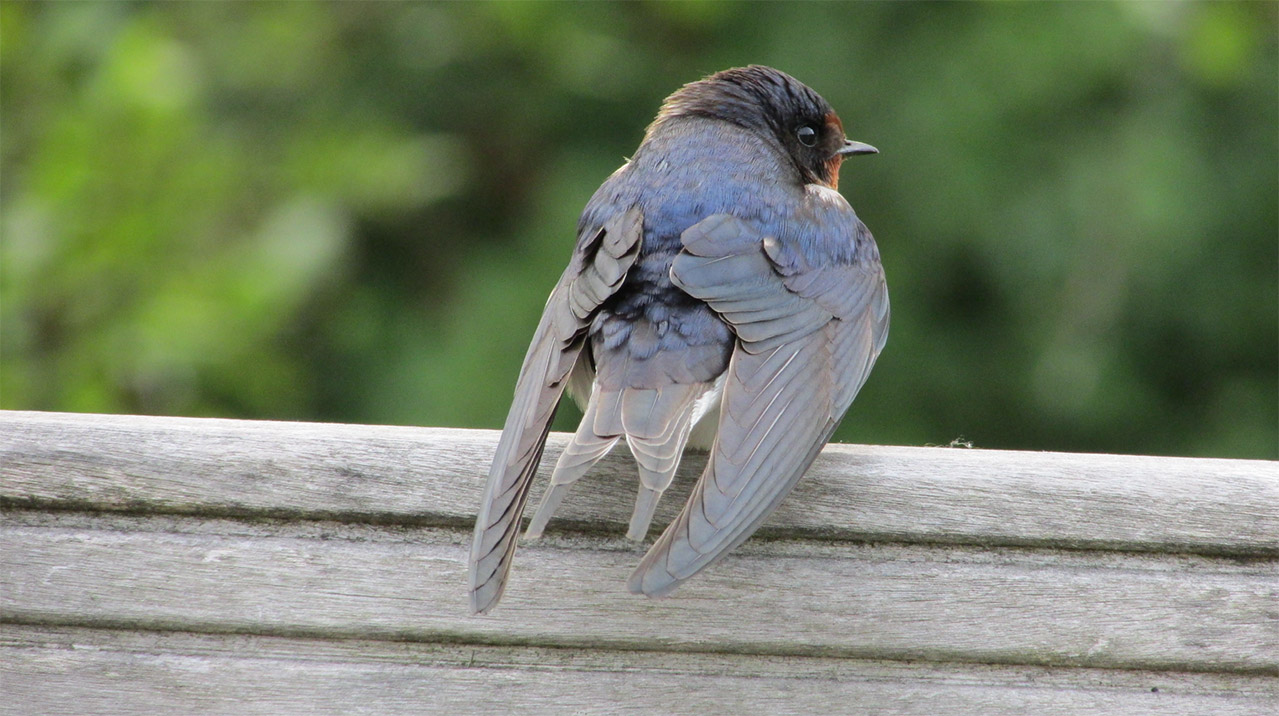
Schools and children’s daycare facilities participated in various events, which saw the foundation of a “Working Group for Nature” in Burbach and Wahlbach in the first year. The group’s activities include the construction of nesting boxes, the production of bird feed and the planting of seedbeds. Kindergartens and daycare centres were intensively involved in the newly-built swallow towers, as well as taking part in swallow excursions and sponsoring swallow towers.
In the final year of the project, all the daycare facilities in the municipality of Burbach were invited to take part in the competition “Kinder-Garten gestalten” (a play on the German word Kindergarten, which literally means ‘children’s garden’ and the verb ‘gestalten’, which means ‘to form, design or create’). Here, the facilities were asked to submit ideas on how to increase the diversity of insect life in their outdoor play areas in the form of a work of art. The prize for the winners and runners-up was the practical implementation of their ideas on the facility’s premises. The prize for third place was a scientifically valuable insect nesting aid for wild bees and solitary wasp species.
In the last project year, the new topic “Light immissions” was added to the scope of the project. This involved the expansion of the project website and a presentation on the subject at BUfRE (Burbach Corporate Network for Resource Efficiency). It emerged that this topic had previously been virtually unknown, so there was definitely potential for it to be actively handled. This would not only benefit humans and the environment, but the use of more environment-friendly outdoor lighting could also bring savings i.e. economic benefits.
Implementation of measures:
Swallow towers:
Swallow towers or swallow houses provide a large number of artificial nests in a small space, making it easier for the swallows to raise their young successfully.
The villages of Gilsbach and Lippe were chosen as locations, and both towers were erected on municipal land by Hering Bau GmbH & Co. KG in April 2022. It only took a few weeks for both towers to prove their worth: they were visited by many house martins. Breeding behaviour was particularly noticeable in Gilsbach in the second year, while there were far fewer breeding pairs at the Lippe location than in the previous year.
Nesting boxes and nesting aids:
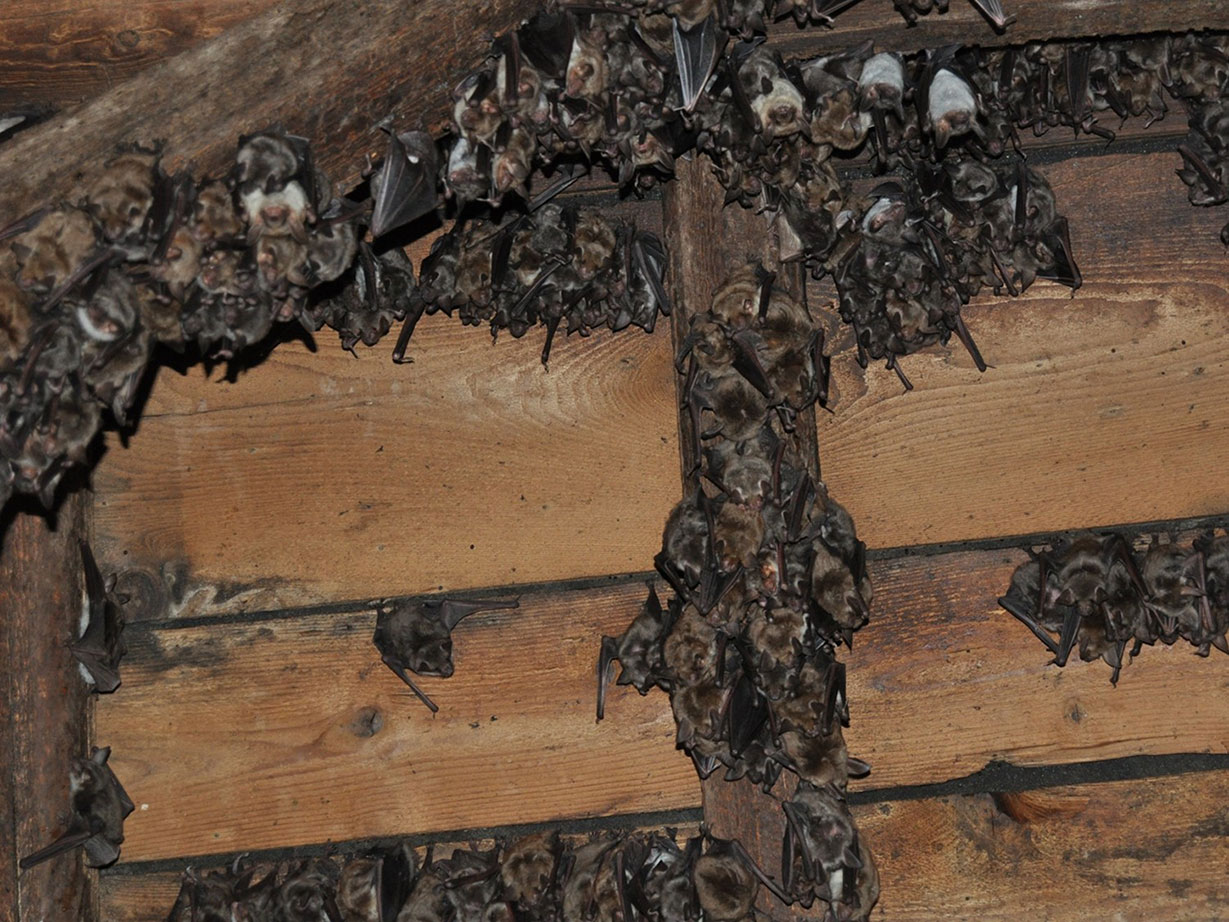
In order to encourage diverse bird species to urban areas by offering suitable nesting sites, and to raise public awareness of bird life and nesting opportunities, numerous nesting boxes were installed in the course of the project. In addition, nesting box kits and bat box kits were assembled and placed at suitable locations as part of public events or by the Working Group for Nature.
| Nesting box type | Quantity | Place |
| Swift Wallbox | 5 | Fire brigade Burbach |
| Swallow's nest | 9 | Hickengrund Turnhalle |
| Swallow's nest | 4 | Fire brigade Lützeln |
| Swallow's nest | 19 | Distributed to the population |
| Nesting box - full cavity | 12 | DRK-Day care centre in Burbach |
| Nesting box - full cavity | 24 | Cemeteries Burbach |
| Nesting box kit - full cavity | 5 | Parish Burbach |
| Nesting box kit - full cavity | 4 | Primary school Wahlbach |
| Nesting box kit - full cavity | 4 | Adjacent to the primary school Wahlbach |
| Nesting box kit - full cavity | 6 | Primary school Burbach |
| Nesting box kit - full cavity | 4 | City centre Burbach |
| Nesting box kit - full cavity | 75 | Public event |
| Bat flat box - kit | 9 | Public event |
| Bat flat box - kit | 28 | Public event in co-operation with the nature park Sauerland Rothaargebirge |
| In total | 208 |
Summary
The project was aimed at children’s daycare facilities, schools, businesses, and householders with gardens and balconies in the municipality of Burbach. It soon became obvious that there was a very good connection with the primary school in Burbach and Wahlbach, and that staff and pupils were extremely interested in educational activities related to nature and the environment.
This interest led to the establishment of nature working group and other activities involving primary schools.
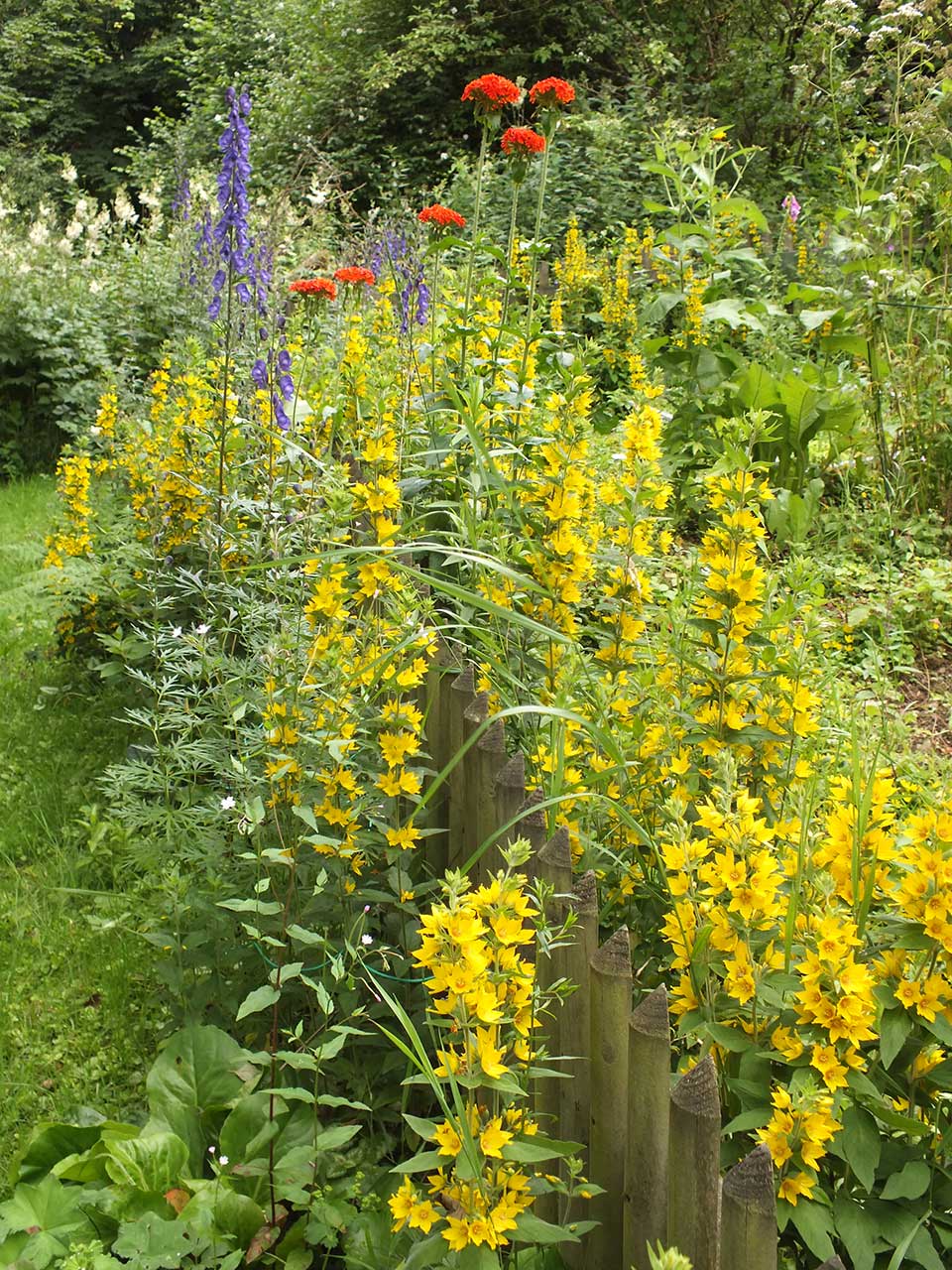
Besides daycare facilities and schools, another project target group was householders with gardens or balconies, who it was hoped would be attracted by the wide range of events on offer. Members of the public also had the opportunity to learn more about how to create their own near-natural garden. The events staged covered a wide range of specialist subjects and were mostly very well frequented. As the project progressed and became more widely known, it also became clear that there is great public interest in individual topics related to urban biodiversity.
Apart from the target groups and PR work, the implementation of measures made up a large part of the project. The swallow towers in Gilsbach and Lippe have been a great success, which proves the valuable function of a swallow tower as a means of protecting a species – and how well the birds accept it.
There was positive feedback from the local population to the installation of the nesting boxes. It is becoming increasingly difficult for birds – including species that breed in caves or other hollow spaces – to find nesting places in urban surroundings. The nesting boxes and nesting aids not only offer the birds more safe spaces to raise their young, but also allow bird-watchers the opportunity to observe them. Nesting boxes in public spaces can also inspire householders to start similar projects in their own gardens or balconies.
Besides the implementation of measures, another aim of the project was to record the incidence, diversity and frequency of species in the municipality of Burbach. In this context, Citizen Science is a sensible basis for the generation of data. Very little effort is required to collect data on a what species are present and what has been observed. In the course of the project, the appeals to report sightings of bats and house martins should have been constantly reiterated.
As a result, several sightings were reported in the first project year but not in the two years after that. The recording of bat sightings was also limited to the first year only.
In summary, it is fair to say that the project “Burbach and its biodiverse neighbourhood” was received very well in the municipality of Burbach. Public awareness of the project had risen considerably by the end of the project period, which was reflected in particular by the increased number of event enquires and more networking with various local stakeholders. The conclusion to be drawn from this is that a regional project must run for at least three years in order to become firmly established. In particular, the work with children, primary schools and pre-school daycare facilities was very productive; there is high demand for - and interest in – additional educational offers related to nature and the environment.
The entire project “Burbach and its biodiverse neighbourhood” or some of its modules, which was developed as a model project for the region and beyond, can be transferred to other towns and municipalities. The project can serve as a long-term model for further schemes to promote urban biodiversity, and provide inspiration for each and every one of us to discover ways of increasing biodiversity on our doorstep.