

Project
Inclusive Conservation Knowledge Systems (ICKS)
Project
Inclusive Conservation Knowledge Systems (ICKS)
Profile
Organisation/Company
Inclusive Conservation Knowledge Systems (ICKS)
Project name
Aligning scientific and indigenous knowledge to strengthen social cohesion under Vision 2040 in the Grasslands Mega Living Landscape
Projektgalerie
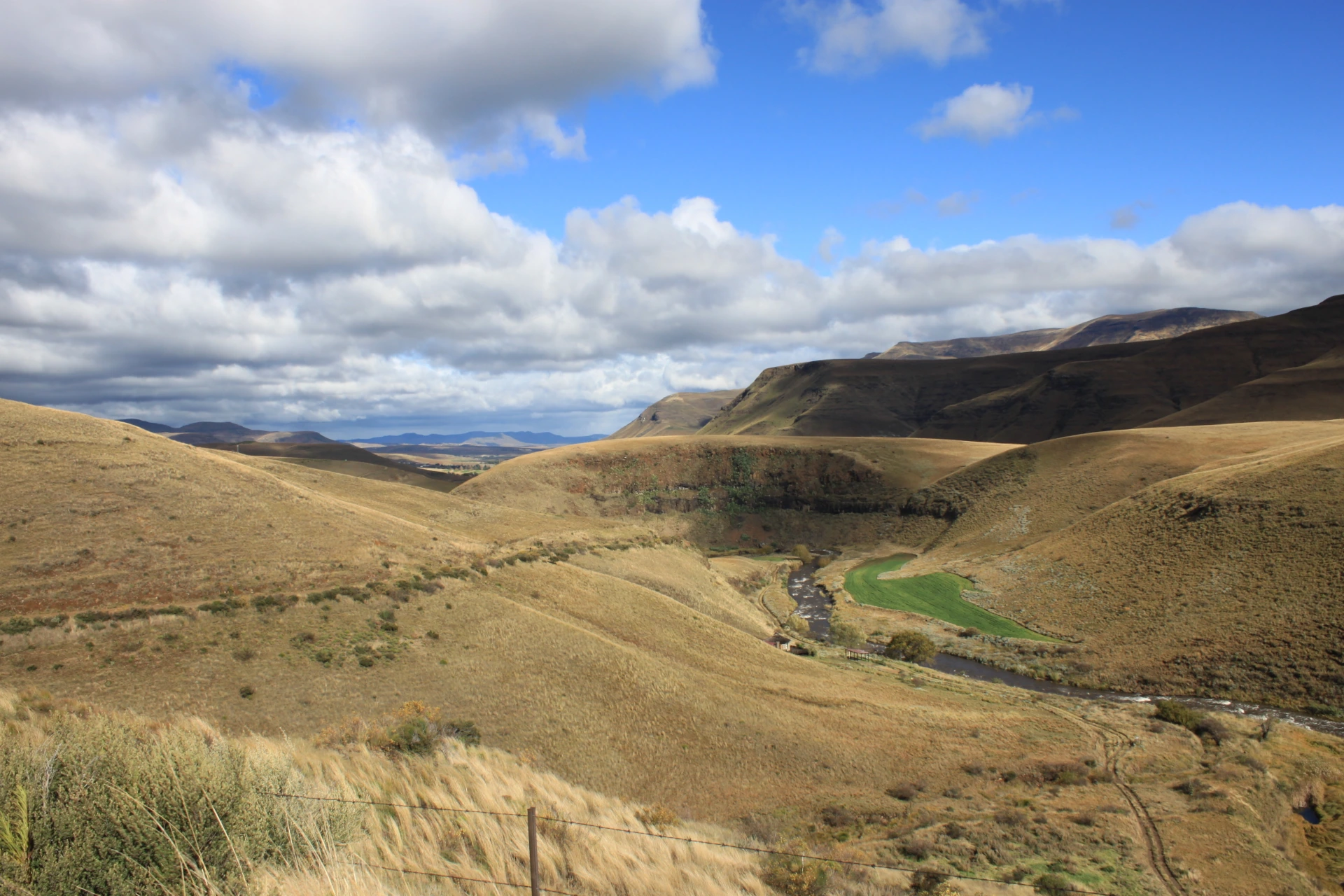
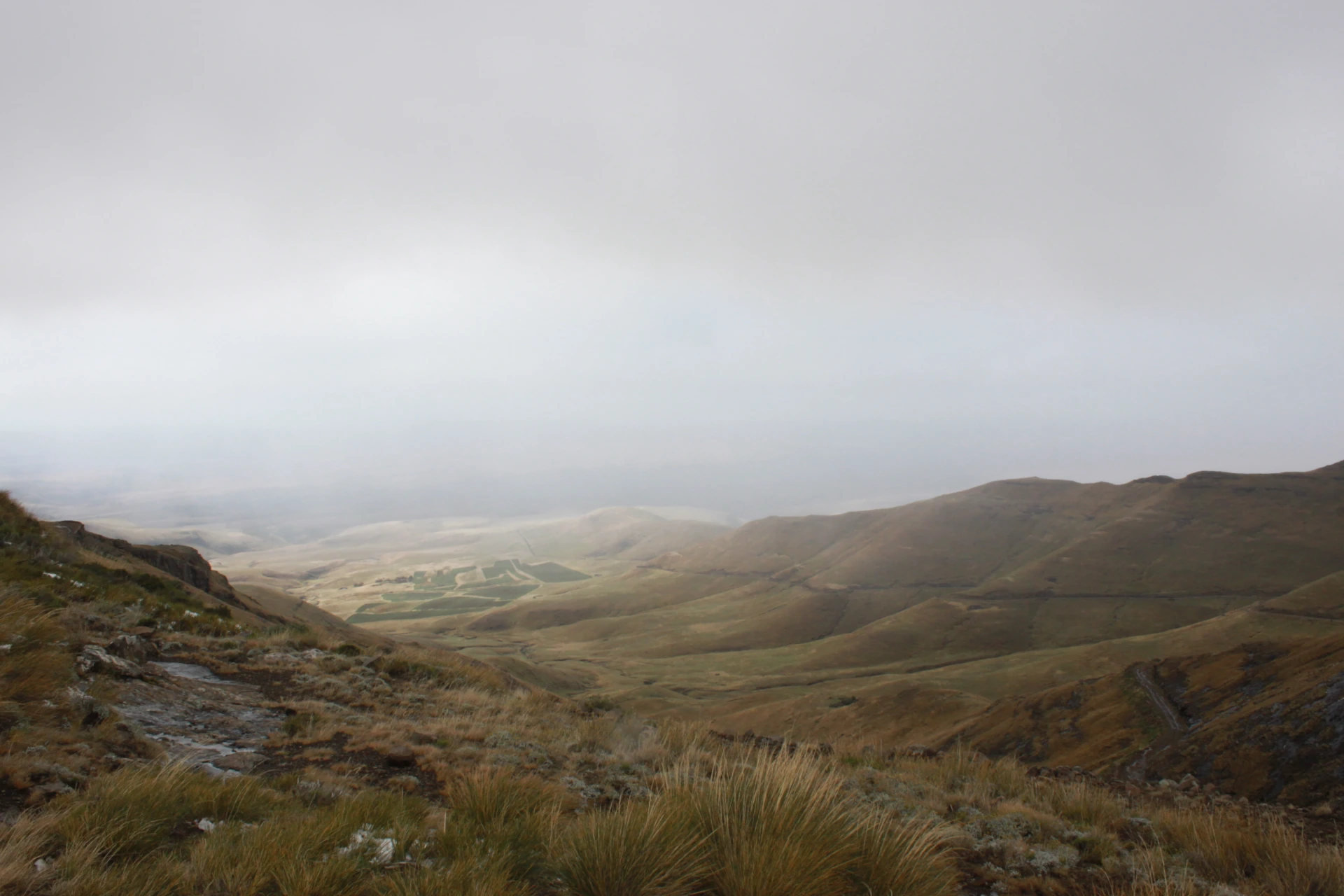
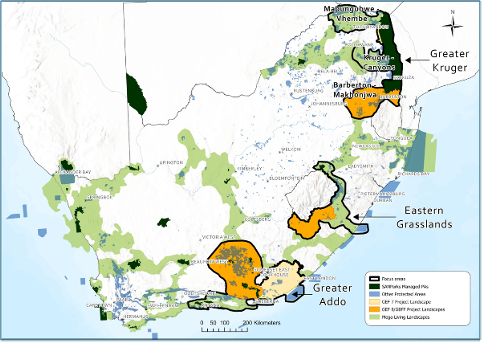
© SANParks GEF8-Vorschlag, S. 15
Aligning scientific and indigenous knowledge to strengthen social cohesion under Vision 2040 in the Grasslands Mega Living Landscape.
Project partner
Dr. Howard Hendricks, Dr. Nomvuselelo Songelwa (South African National Parks), Prof. Bram Büscher (Wageningen University and University of Johannesburg), Prof. Gijsbert Hoogendoorn (University of Johannesburg) and Prof. Ndidzulafhi Innocent Sinthumule (University of Johannesburg)
Project description
South Africa is one of the most biodiverse countries in the world. Much of this biodiversity is conserved in a world-class system of protected areas that attracts tourists from around the world. South Africa is also one of the most unequal countries in the world. Populations surrounding many protected areas are often characterized by high levels of socioeconomic vulnerability due to historical and contemporary forms of dispossession. Biodiversity itself is also highly unequally conserved: different species receive highly uneven attention and extinction risks remain high. To address these challenges, the uneven state of biodiversity and highly unjust socio-economic inequalities around parks, South African National Parks (SANParks) has developed ‘vision 2040’: a transformative vision that aims to rethink protected areas to become more socially inclusive and to acknowledge the injustices perpetrated onto indigenous peoples in the past. As part of the vision, SANParks has developed the idea of ‘Mega Living Landscapes’ (MLL): large-scale landscape initiatives that integrate protected areas, community areas, farms and towns to foster a more sustainable balance between human development and nature conservation.
Importantly, Vision2040 and Mega-Living Landscapes tap into global sentiments calling for transformative change which are an important step in thinking about how conservation can be done differently and more inclusively. A crucial next step is to bring Vision2040 and MLLs into practice in a way that enables continuous reflection and learning. The proposed Inclusive Conservation Knowledge Systems (ICKS) serves as a key mechanism to operationalize this transition. Working within one of the three Mega Living Landscapes (MLL) - the Grasslands MLL in the Eastern Cape of South Africa - the ICKS project will make a crucial and practical difference. While SANParks is already engaging different land users and owners in stewardship agreements, it has so far not had the opportunity to reflect on lessons learned. Hence there is a need to more deeply understand how learning and research, as well as different forms of indigenous and traditions knowledge between farmers, indigenous communities and protected areas/wildlife reserves can stimulate joint processes of restoring ecosystems while building more sustainable and convivial long-term human-nature relations, including through more equitable economic activities and social cohesion processes that address poverty and socio-economic inequality. The focus on social cohesion is crucial in the project: it will develop a better understanding of what this could mean; how different stakeholders understand the term; and to see what impact programs and projects could have on communities of practice within and beyond SANParks to foster social cohesion for improved human-nature relations and conservation.
Project target
Projects initiated by the Convivial Conservation Coalition (CCC) centralize shared leadership and embedding in relevant local institutions, while connecting local, short-term and practical impacts with longer-term, global and structural impacts. Building on these principles, the ICKS project is expected to have the following results:
Local, short-term and practical impacts in South Africa:
- To enhance, support and visualize local indigenous knowledge practices with local stakeholders;
- To practically support and enhance SANParks MLL’s programme and its GEF8 project, especially by helping to set up broader research and knowledge framework deriving from the project and experiences in MLL’s;
- To support SANParks and their MLL’s vision in implementing and operationalising convivial conservation;
- To show to diverse actors in the region the possibilities and challenges of building social cohesion between different actors to restore diverse human-nature relations.
Longer-term impacts:
- The convivial conservation paradigm is deepened by on-the-ground practices, which are communicated globally to provide inspiration for other potential convivial conservation practices elsewhere;
- The CCC and its global network are strengthened; its communication, policy and advocacy efforts are boosted;
- The project will provide theoretical backing for broader HERING Stiftung portfolio of projects and how they can jointly make a bigger impact;
- The project will facilitate CCC support in communication as part of broader drive to address the structural impediments to restoring sustainable long-term human-nature relations.
Project status
The project officially started in April 2026 and since then, a first fieldwork reconnaissance trip by Bram Büscher, Gijsbert Hoogendoorn and Innocent Sinthumule has been concluded. Findings from this trip informed critical updates to the project proposal, which is currently being utilized in formal negotiations between the three partners in order to finalize the contract for implementation. The draft contract has been reviewed by the three parties (SANParks, University of Johannesburg and Wageningen University) and amended. It is now awaiting final confirmation and signing after which a project researcher will be hired and workshops will commence (scheduled for September-November 2026).